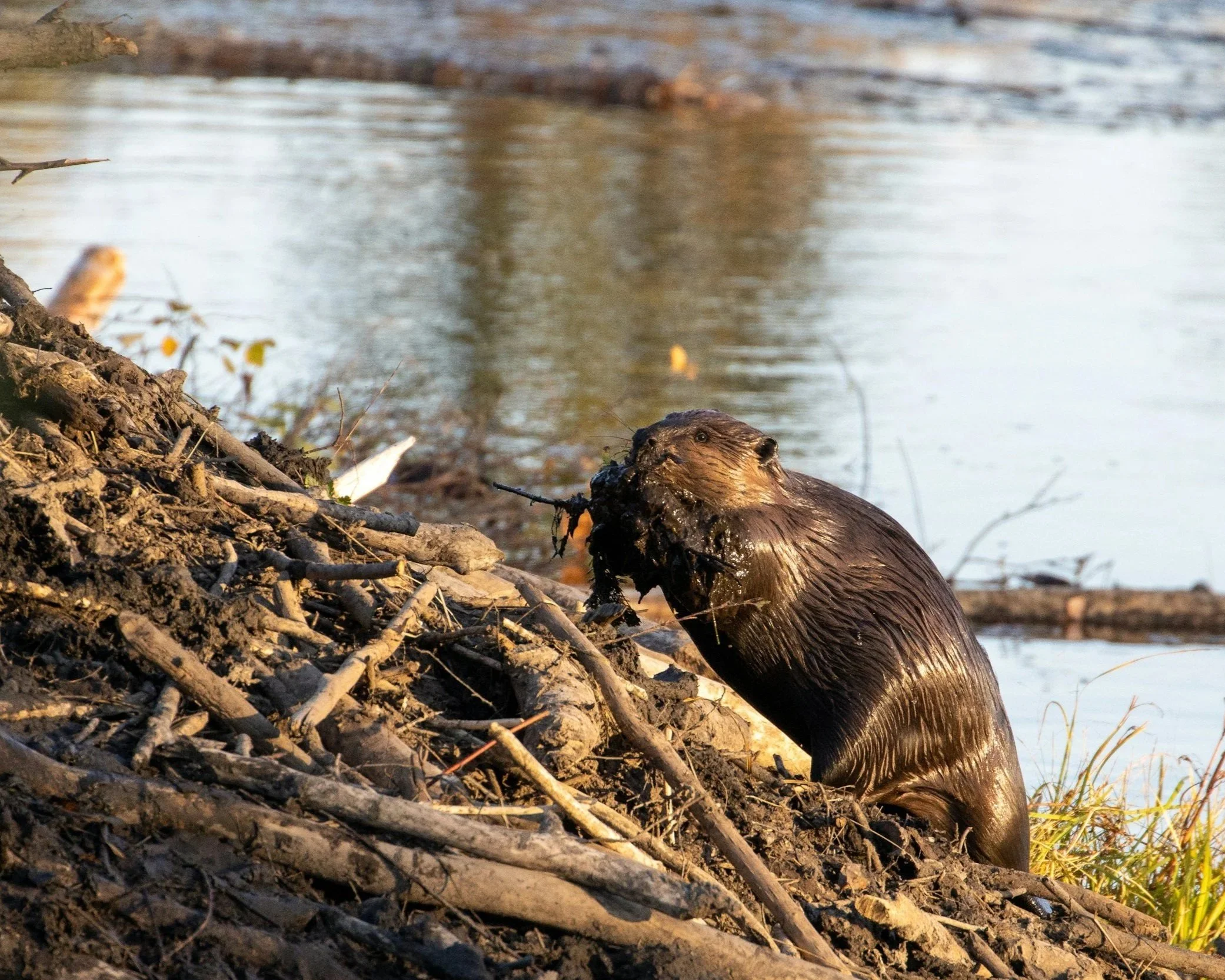
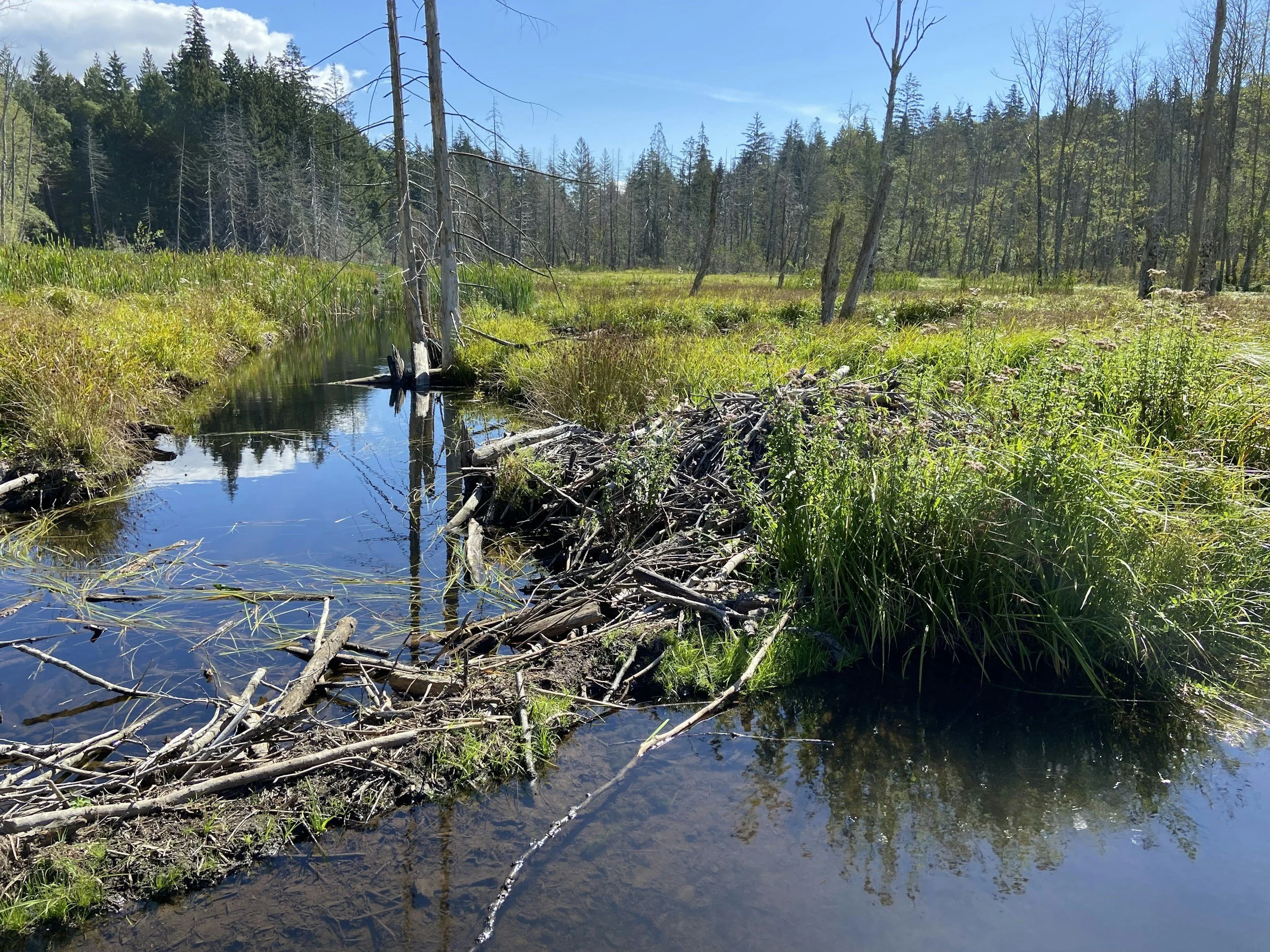
Help Us Build a New Beaver Pen
Thank you so much for helping us reach and exceed our goal of $50,000!
Our current total is $50,533!
Like many projects, the beaver pen may end up costing us more than our original fundraising goal. If you have not donated towards the pen, please consider making a donation towards extraneous costs. All funds will go towards the pen or beaver care after the pen is complete.
Click the button below to make your donation.
Already donated? Share this page with someone you know who can help us make a home for beavers.

Beavers are a unique and long-term
commitment in wildlife rehabilitation.
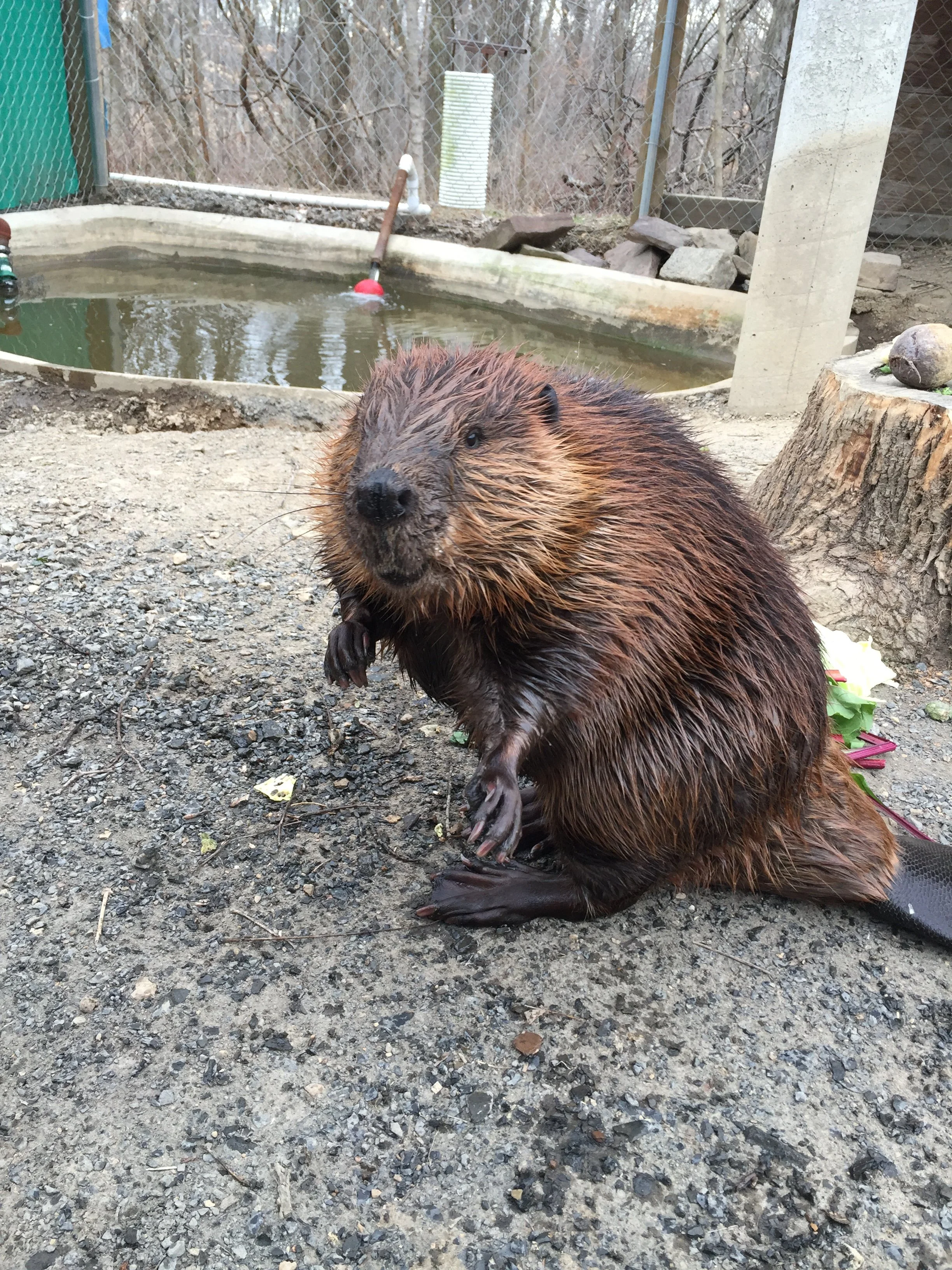
Unlike most baby animals we recieve, beaver kits stay at our center until about two years of age. Adult cases are generally shorter-term compared to raising kits, however, with adult beavers, we are usually limited to rehabbing one at a time due to territorial and behavioral considerations.
Beavers require very specific environmental conditions to support both their physical and behavioral health. This includes:
Access to fresh browse
Appropriate substrate for building
A pool large enough for full swimming.
Because they are a high-stress species, they also need privacy and a quiet environment to minimize disturbance.
Enclosures must include dig-proof flooring, such as wire or welded mesh beneath the substrate, to prevent escape, along with ample enrichment materials like branches, logs, and natural building materials.
As we continue to expand, it’s important that we take all of these factors into consideration, not just in how we build the enclosure, but also where we place it.
Relocating the beaver habitat to a less high-traffic area on the property will significantly reduce stress and better support successful rehabilitation outcomes.
We plan to exceed minimum standards set by the National Wildlife Rehabilitators Association and the International Wildlife Rehabilitation Council. With wildlife care, bigger is always better!
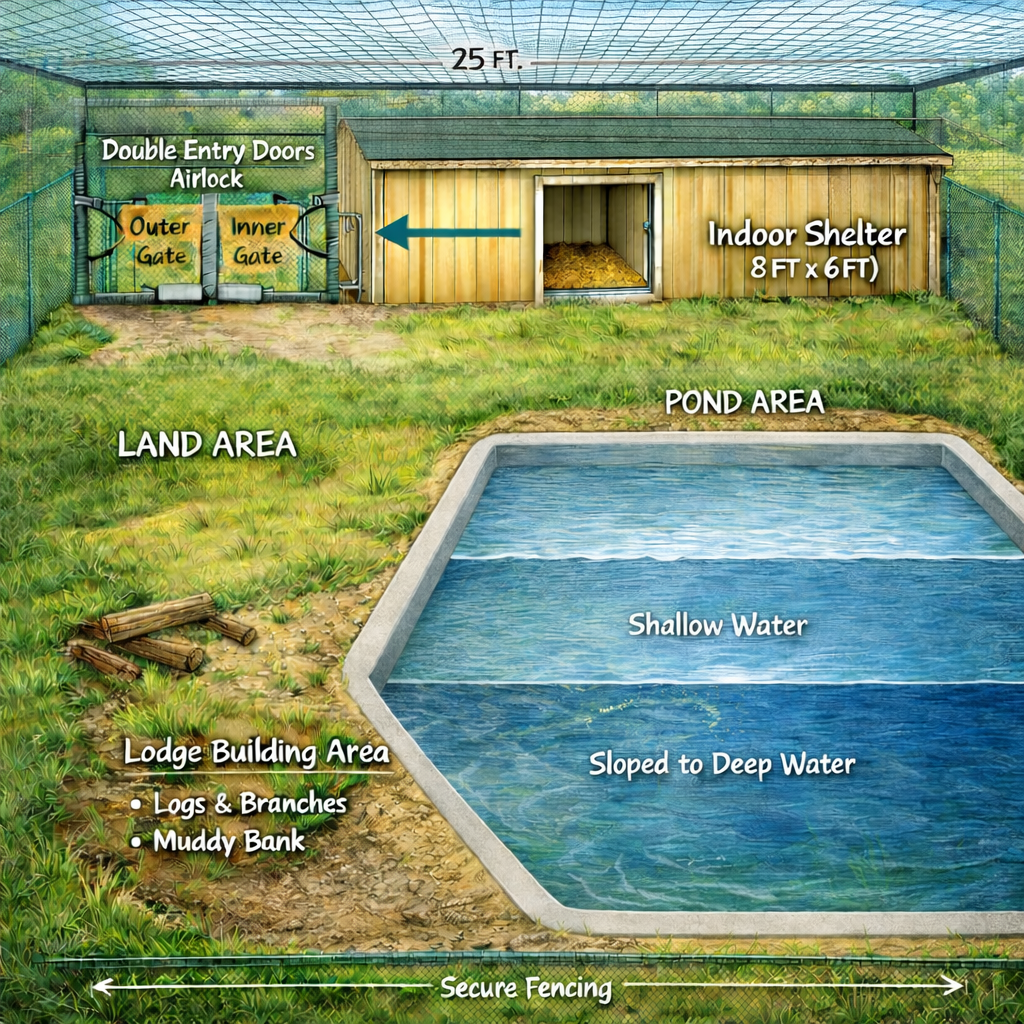
The proposed pen will be approximately 25 x 25 feet and designed with safety and functionality in mind, including:
Dig-proof barriers beneath the enclosure
A fully enclosed roof
A double-door entry system to prevent escape.
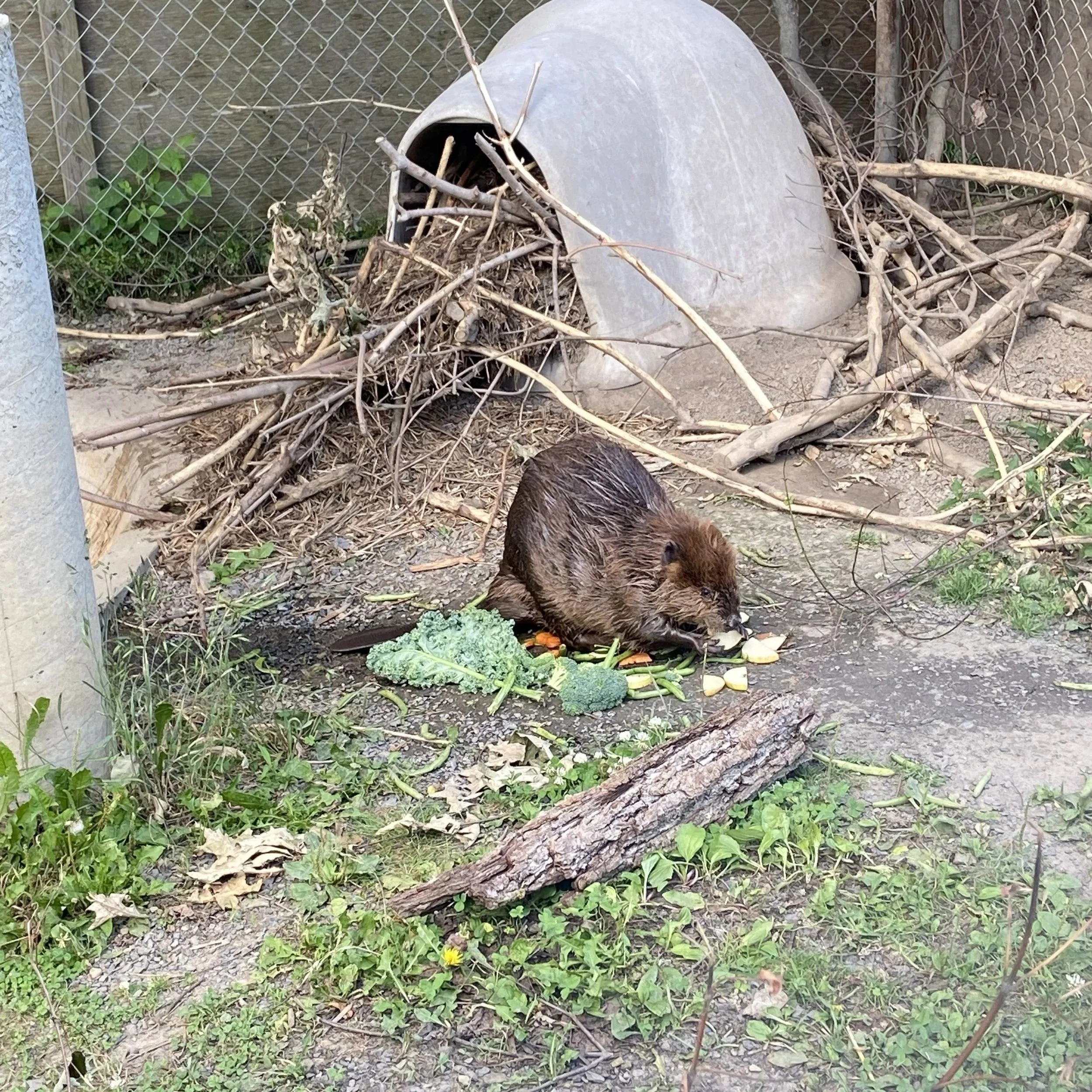
The habitat itself will be significantly improved to support natural behaviors and proper development. This includes:
A larger pond with a gradual shallow-to-deep slope to help kits learn to swim and allow easy access for compromised animals
A pond filtration system to maintain water quality
Natural substrate and vegetation so beavers can build, dam, and exhibit normal behaviors like lodge-building
Additionally, due to increasingly unpredictable Pennsylvania winters, we’d like to incorporate an attached indoor holding space. In the wild, beavers rely on insulated lodges and food caches to get through winter, but we can’t fully replicate that in captivity. This indoor space would allow us to safely shift beavers inside during extreme weather events (like ice storms or sudden temperature drops), helping prevent issues like frostbite or respiratory illness.
This project will significantly improve both the quality of care we can provide and the number of animals we are able to help safely and successfully, while also highlighting the importance of a species that plays such a vital role in healthy ecosystems.
Thank you for your help in reaching our goal! Thank you to the Bendita Foundation for matching the first $10,000 raised!
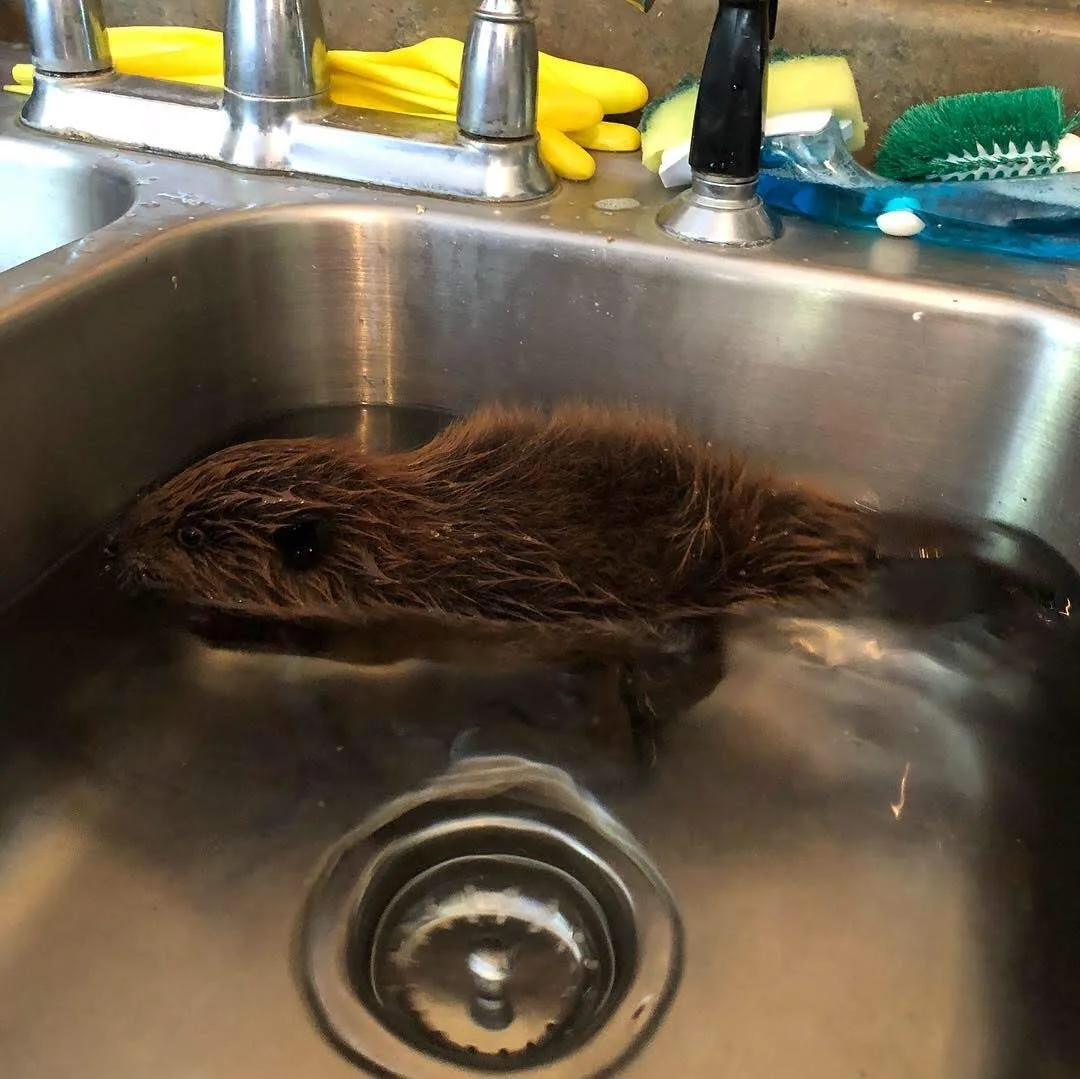
What’s so Important About Beavers?
Beavers are incredibly important from a conservation standpoint. They are considered a keystone species and ecosystem engineers, meaning their presence has a disproportionately large impact on the environment.
By building dams, beavers create wetlands that improve water quality, reduce flooding, recharge groundwater, and provide critical habitat for countless other species from amphibians and birds to fish and mammals.
Their story is also one of resilience. Historically, beavers were nearly wiped out across much of North America due to the fur trade, with populations dropping drastically by the late 1800s. Thanks to conservation efforts, legal protections, and reintroduction programs, they have made an impressive comeback in many areas, including Pennsylvania!
Even so, they still face ongoing challenges from habitat loss, human-wildlife conflict, and environmental changes making rehabilitation and public education efforts like ours especially important.