Canine and Feline Distemper
Although Canine and Feline distemper have the same name, they are caused by different viruses, affect different systems in the body, and occur in different species.
Canine Distemper
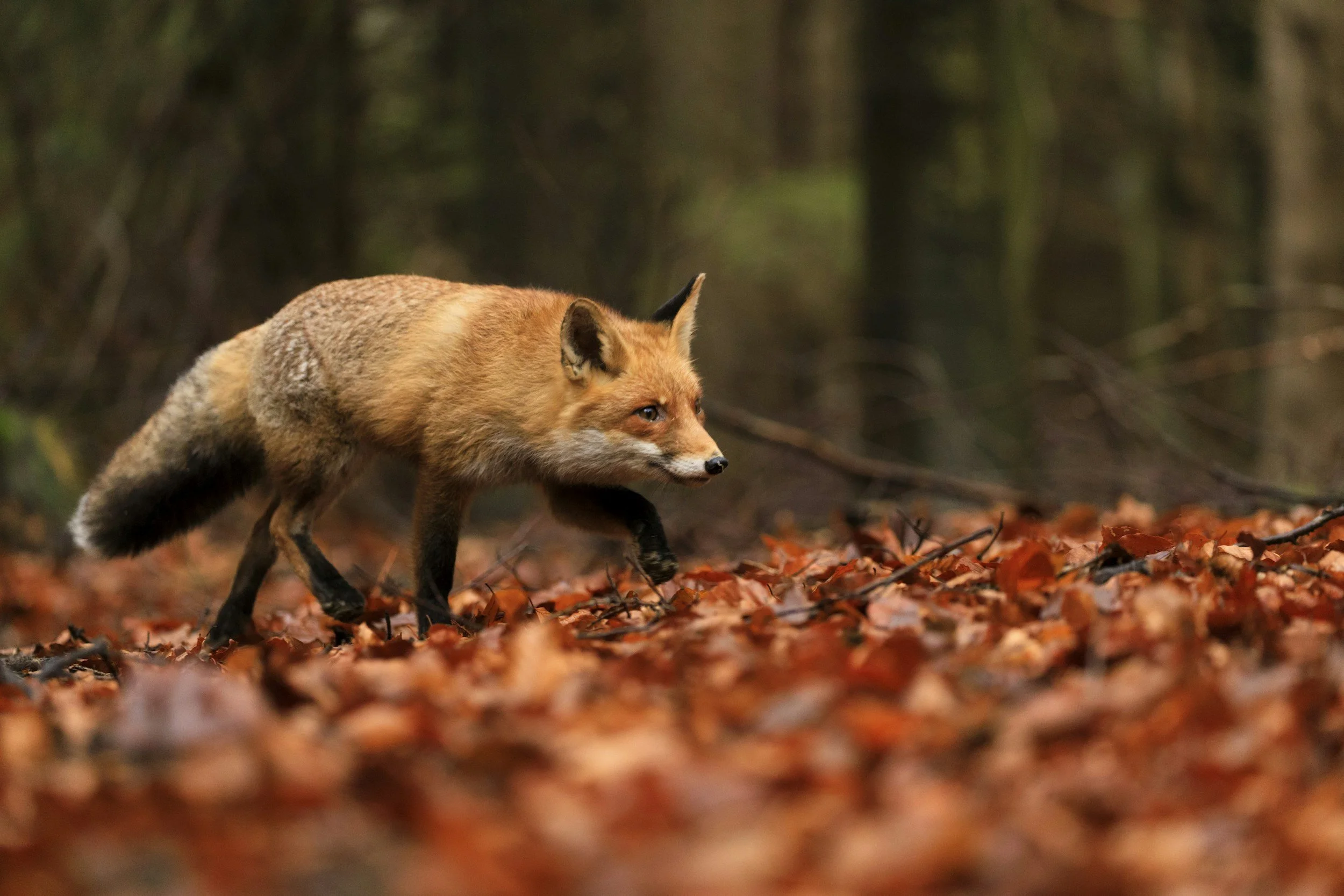
Canine Distemper is a very contagious virus found in wild and domestic carnivores including dogs, woves, coyotes, fox, raccoons, and mustelids (ferret, mink, weasel, otter, skunk, etc.). The disease is caused by a paramyxovirus which attacks the respiratory, gastrointestinal, and nervous system of the animal. It is more fatal in younger animals, but adults can contract it as well.
The most common way canine distemper is transmitted is through physical contact or contact with any of the infected animal’s secretions or waste. After entering an animal’s system, the virus will attack the lymph nodes and tonsils before moving further into the body.
Symptoms include coughing, sneezing, diarrhea, discharge from eyes and/or nostrils, and hardened footpads. Once the virus attacks the nervous system you may also see abnormal behavior like walking up to people, walking in circles, twitching, and wandering. Some of the neurological symptoms can appear similar to rabies.
A diagnosis of canine distemper can be confirmed throught laboratory analysis of the animal’s tissues using fluorescent antibody techniques. Unfortunately, no treatment or cure exists for canine distemper other than preventitive care of vaccinating domestic dogs and animals.
Feline Distemper
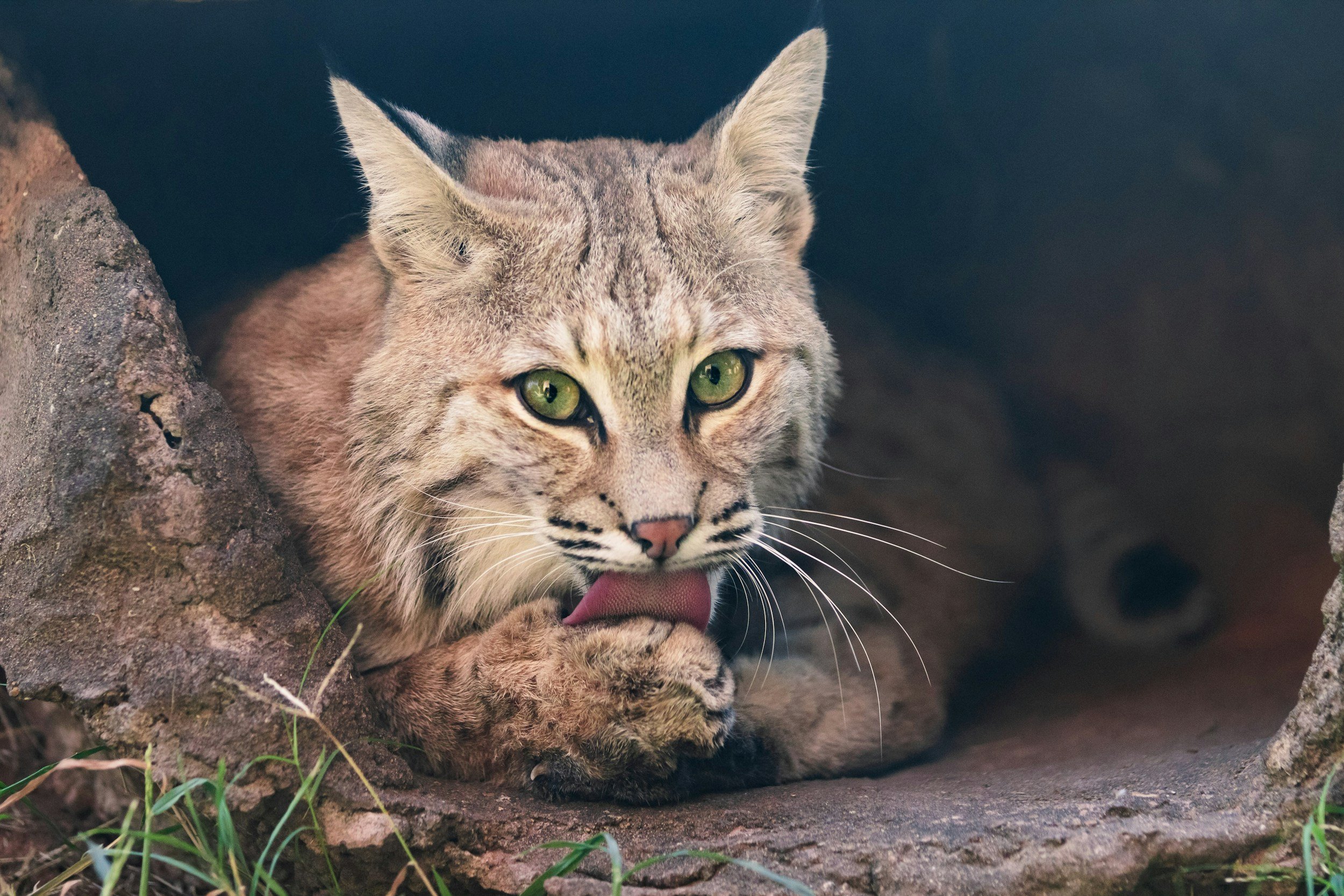
Feline Distemper, also called feline panleukopenia or cat fever, is a very contagious virus found in wild and domestic carnivores including domestic cats, lynx, bobcats, raccoons, mink, skunk, and otter. The disease is caused by feline parvovirus (FPV) which attacks areas in the animals’s body with rapidly dividing cells including bone marrow, intestinal walls, the immune system, and reproductive system. It is more common, and almost always fatal, in younger animals.
The most common way feline distemper is transmitted is through contact with any of the infected animal’s secretions or waste. Additionally, fleas and flies can transmit the disease to other animals.
Symptoms usually begin with a high fever followed by lethargy, vomiting, anorexia, diarrhea, and a profound leukopenia. These signs rapidly lead to severe dehydration. The mortality rate of feline distemper is high and animals who contract it usually die within a week.
A diagnosis can be made after death by examining the affected tissues. Unfortunately, no treatment or cure exists for feline distemper other than supportive care for animals affected and isolating them from other animals to avoid spreadin the disease.
Caning and Feline Distemper impacts wild animal populations, especially in areas where the disease has never been introduced before. Tranmission of the disease happens in areas with dense populations of wild animals. Vaccinating wildlife can help reduce the number of potential hosts, but the success rate of distemper vaccines in wild animals has not been thouroughly documented. Vaccinating domestic animals is a sure way to keep them from contracting the disease.
Humans are unaffected by canine and feline distemper.
Additional Material:
Feline Distemper Fact Sheet - American Veterinary Medical Association
Canine Distemper Fact Sheet - Cornell College of Veterinary Medicine