
Halloween Wildlife Fact or Fiction?
There are more than a few species around the world that are considered spooky animals, used for Halloween decoration. But what is the truth about these animals? Are they as scary as they say? Find out in this quiz!
Using the options below, choose wether you think each statement is fact or fiction!
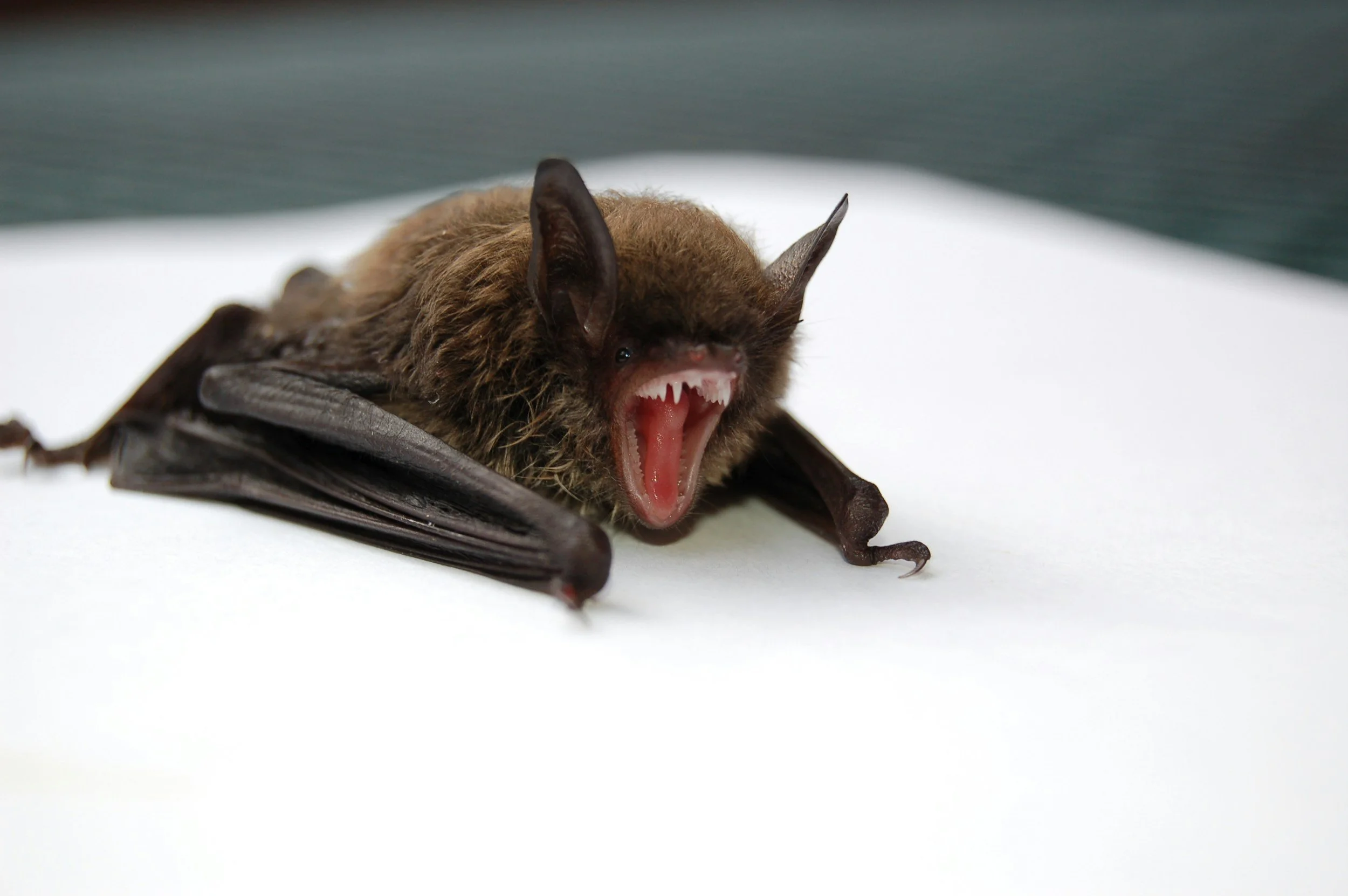
Bats are blind and use ecolocation to hunt since they can’t see.
Fact or Fiction?
-
Fiction!
The phrase “blind as a bat” is decieving since bats actually have good eyesight. They do use ecolocation to hunt, but that doesn’t mean they can’t have good eyes too! Their eyes help them see in darker conditions like dawn, dusk, and at night when they are hunting for insects.
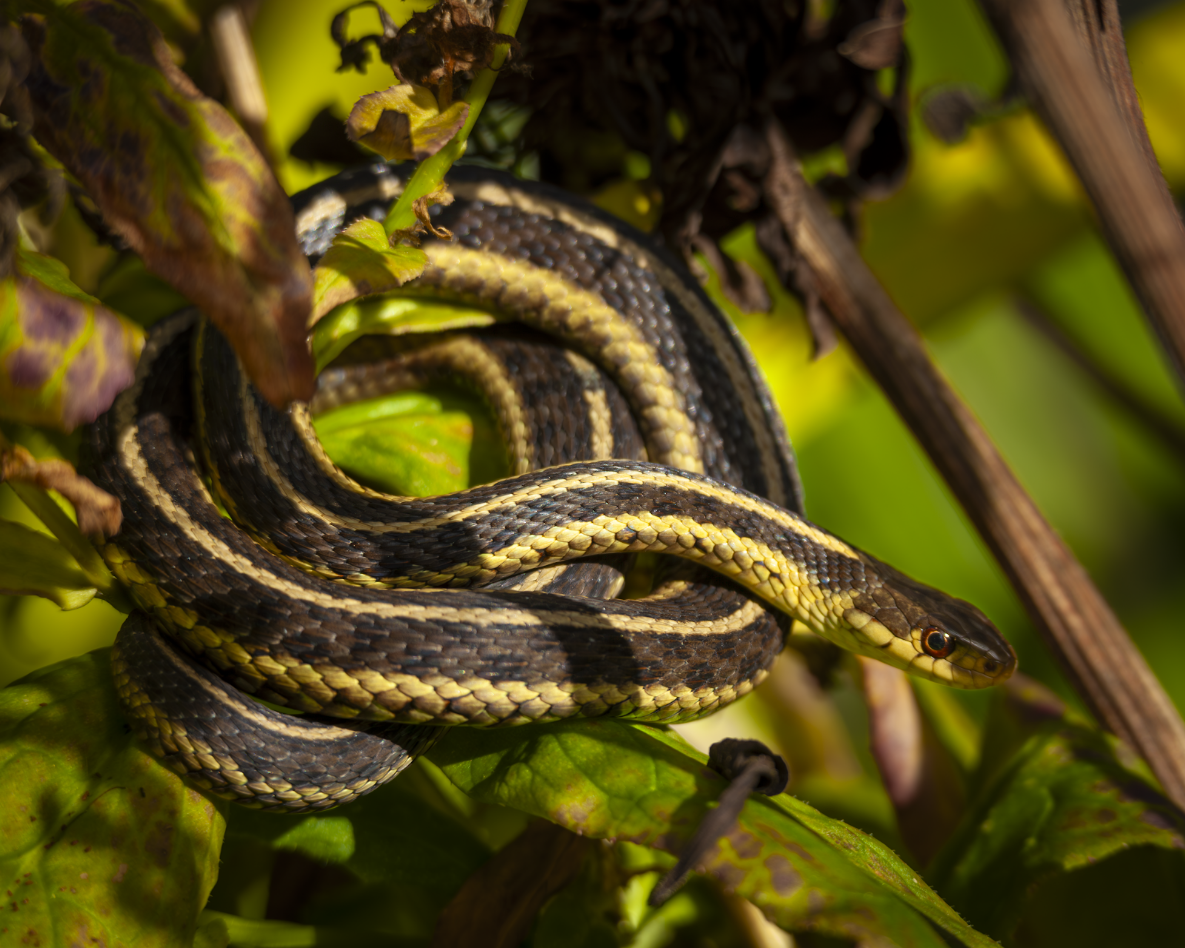
Snakes have flexible jaws that allow them to swallow their prey whole!
Fact or Fiction?
-
Fact!
Snakes don’t chew their prey. Instead, they are designed to swallow it whole by engulfing the prey with their very flexible mouths. Their stomachs have strong acid that can dissolve the prey (bones and all!).
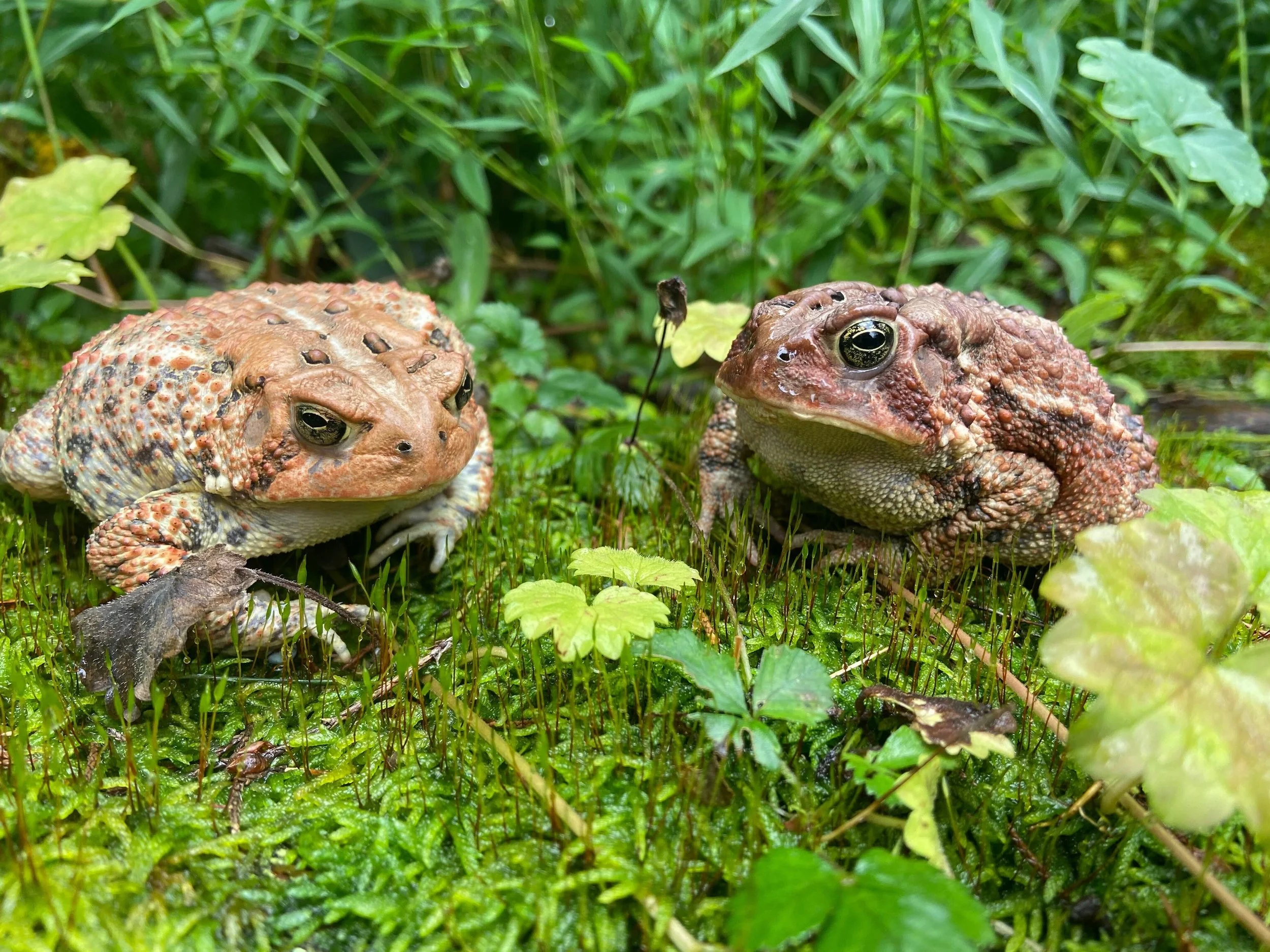
If you touch a toad you’ll get warts!
Fact or Fiction?
-
Fiction!
The bumps on a toad that may have been the “warts” people talk about are actually glands that give off toxins when the toad feels threatened! This is for defense but won’t cause warts in humans.
Vultures are an omen of death!
Fact or Fiction?
-
Fiction!
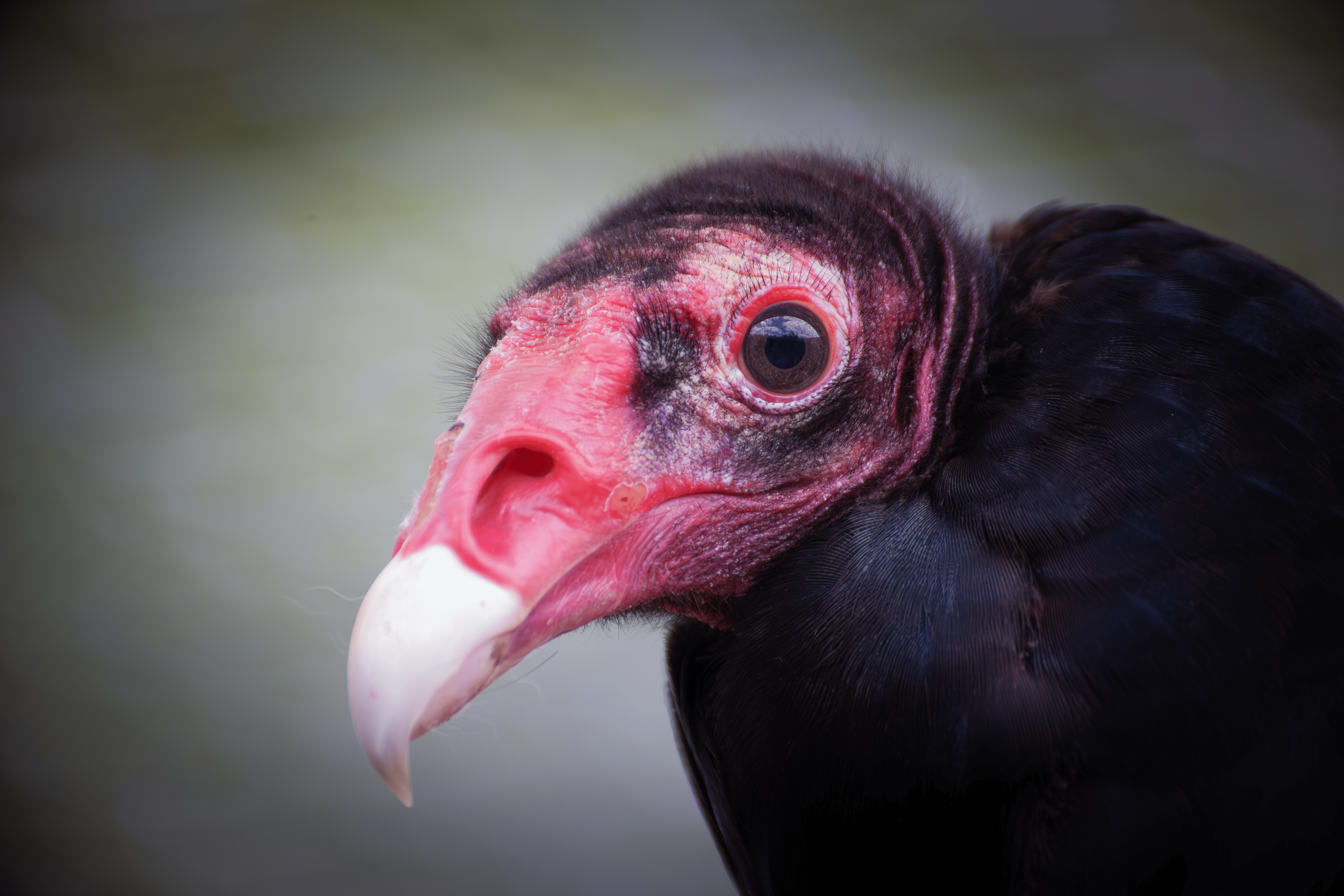
While many cultures view vultures as symbols of death, it is not as sinister as it seems. Vultures are often seen near dead animals because that’s what they eat! Vultures are scavengers, nature’s cleanup crew, which clean our environment and stop the spread of disease.
Owls can turn their heads 360 degrees around!
Fact or Fiction?
-
Fiction!
If they turned their heads 360 degrees they’d break their necks!
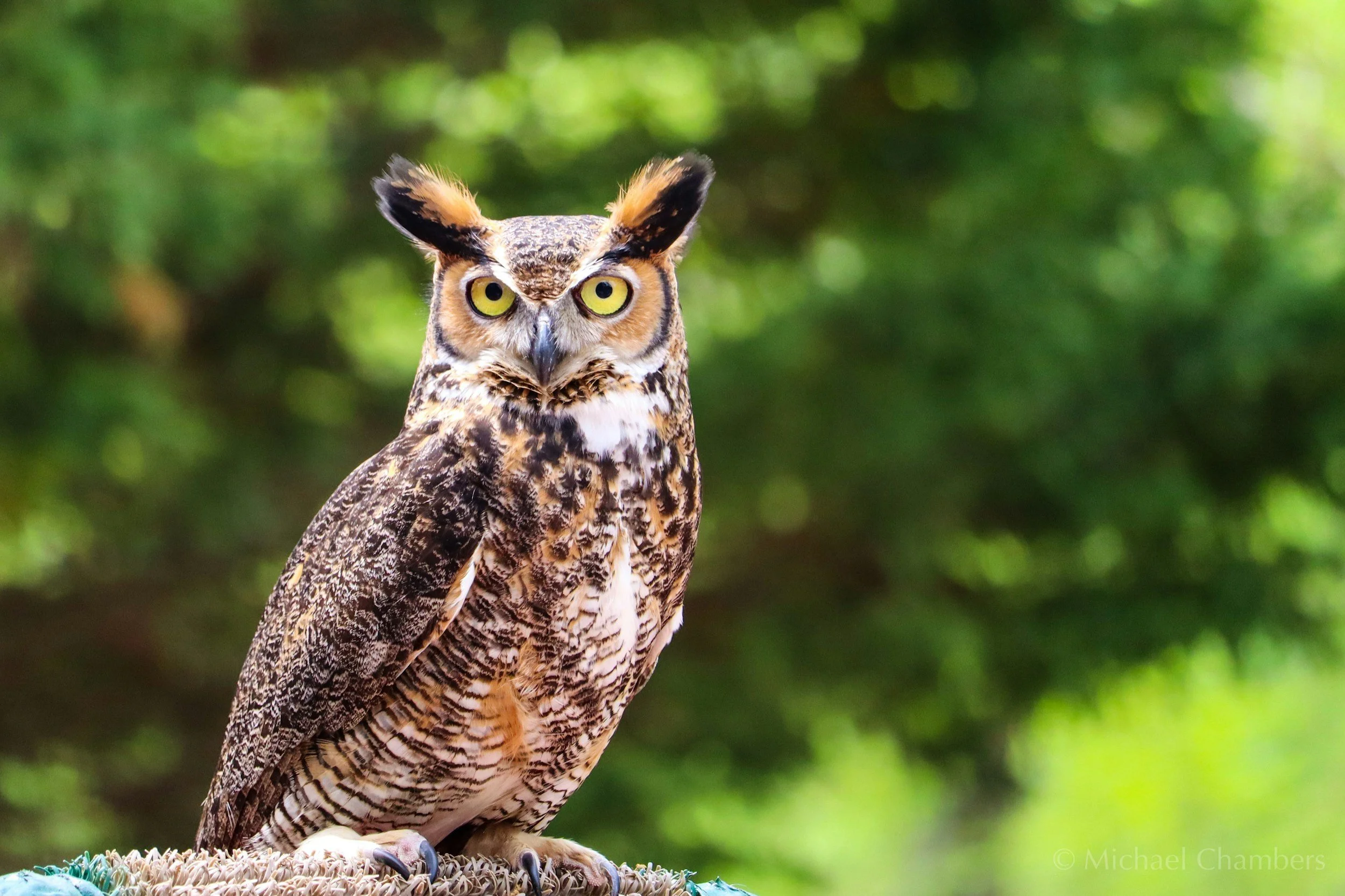
Owls can turn their heads almost 270 degrees, which is still very impressive. They can do this because they have extra neck bones. While humans have 7 vertebrae in our necks, owls have 14!
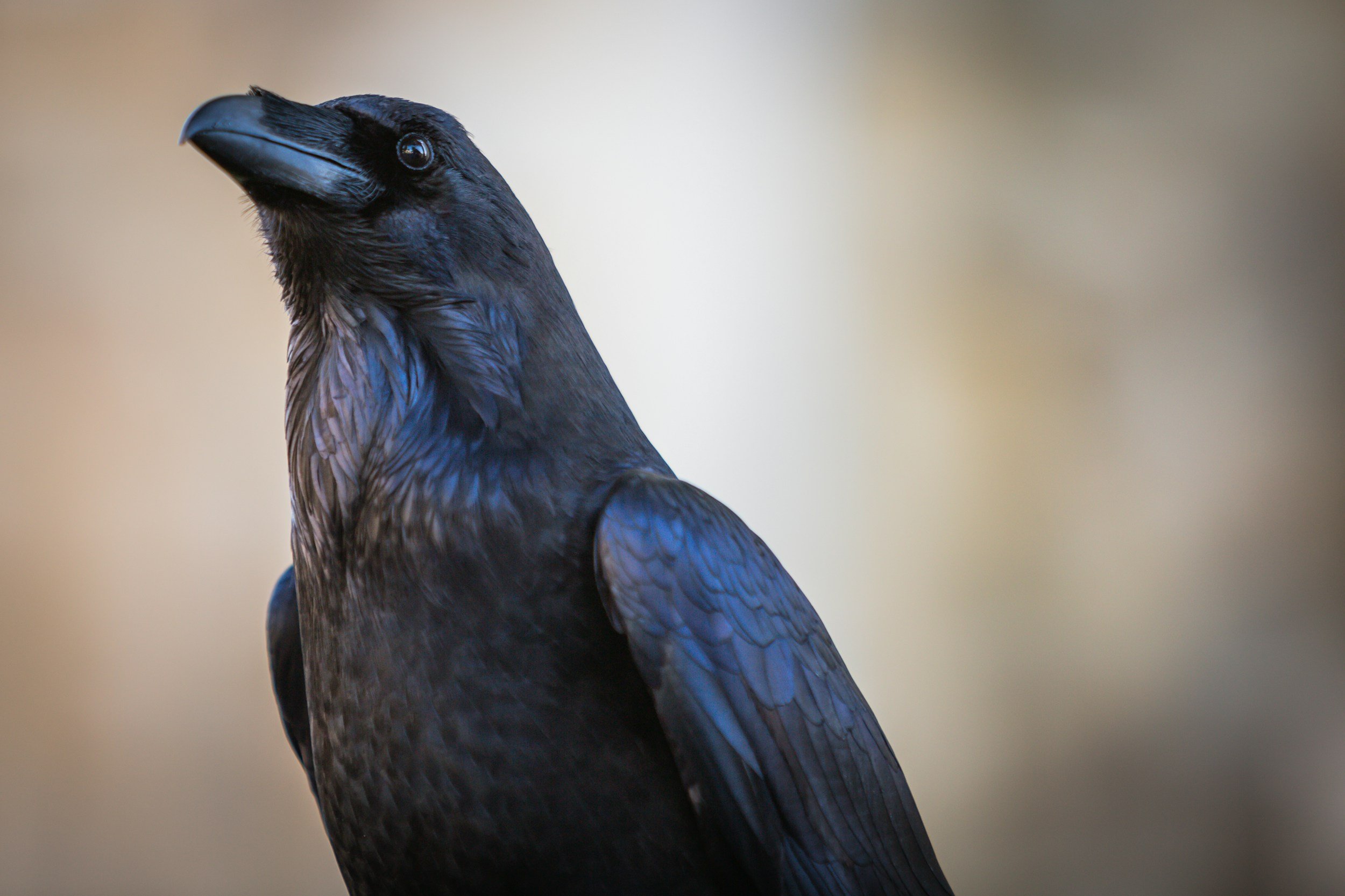
A group of crows is called a murder!
Fact or Fiction?
-
Fact!
There are multiple ideas of where this term came from. First, crows are scavengers and so are often seen around carcasses. However, a book published in the 1400s lists this term for a group of crows along with other group names (such as a gaggle of geese). Finally, this idea may come from the fact that crows are very territorial and will “murder” another crow that comes into their territory.