Parvovirus (Parvo)
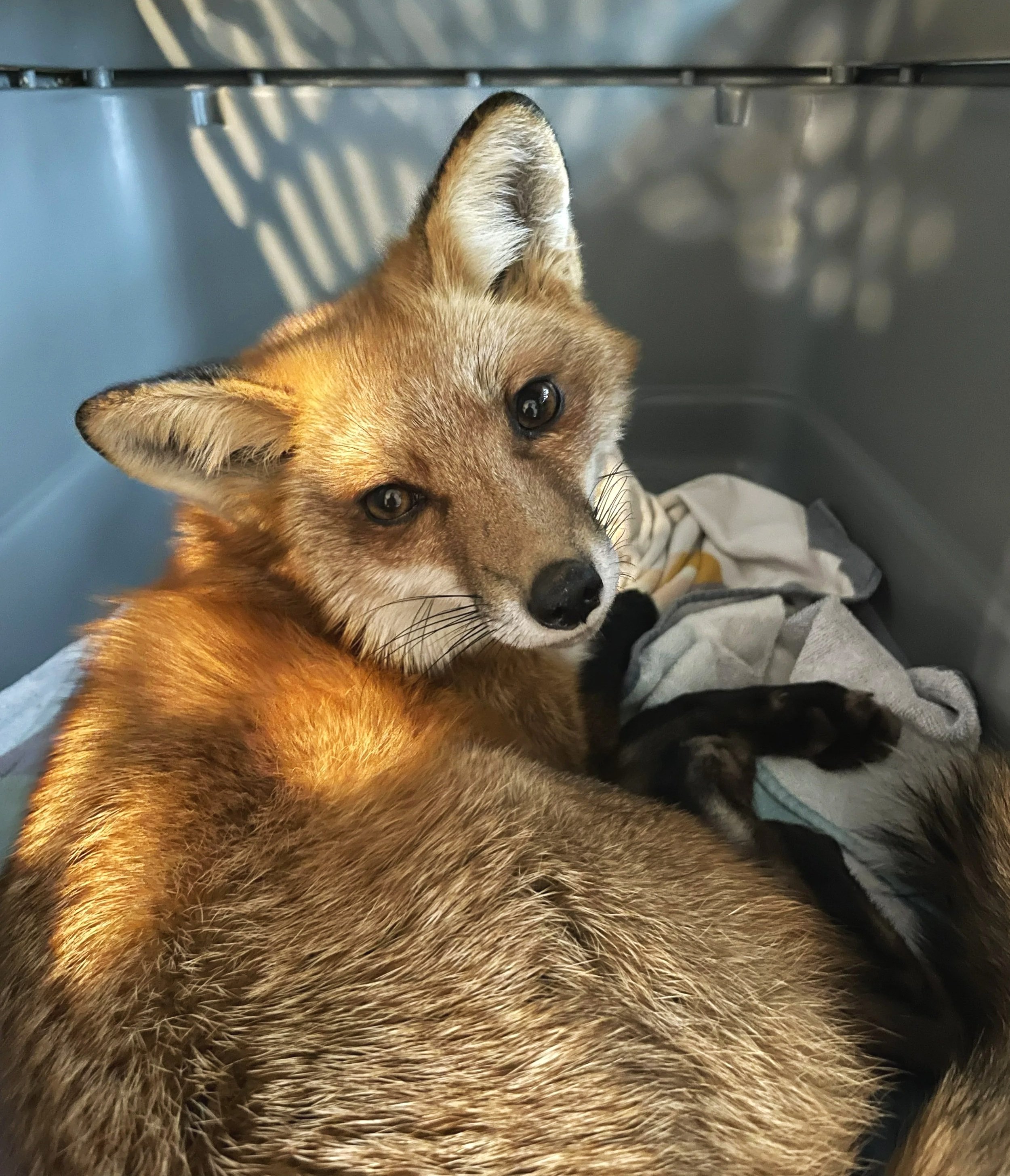
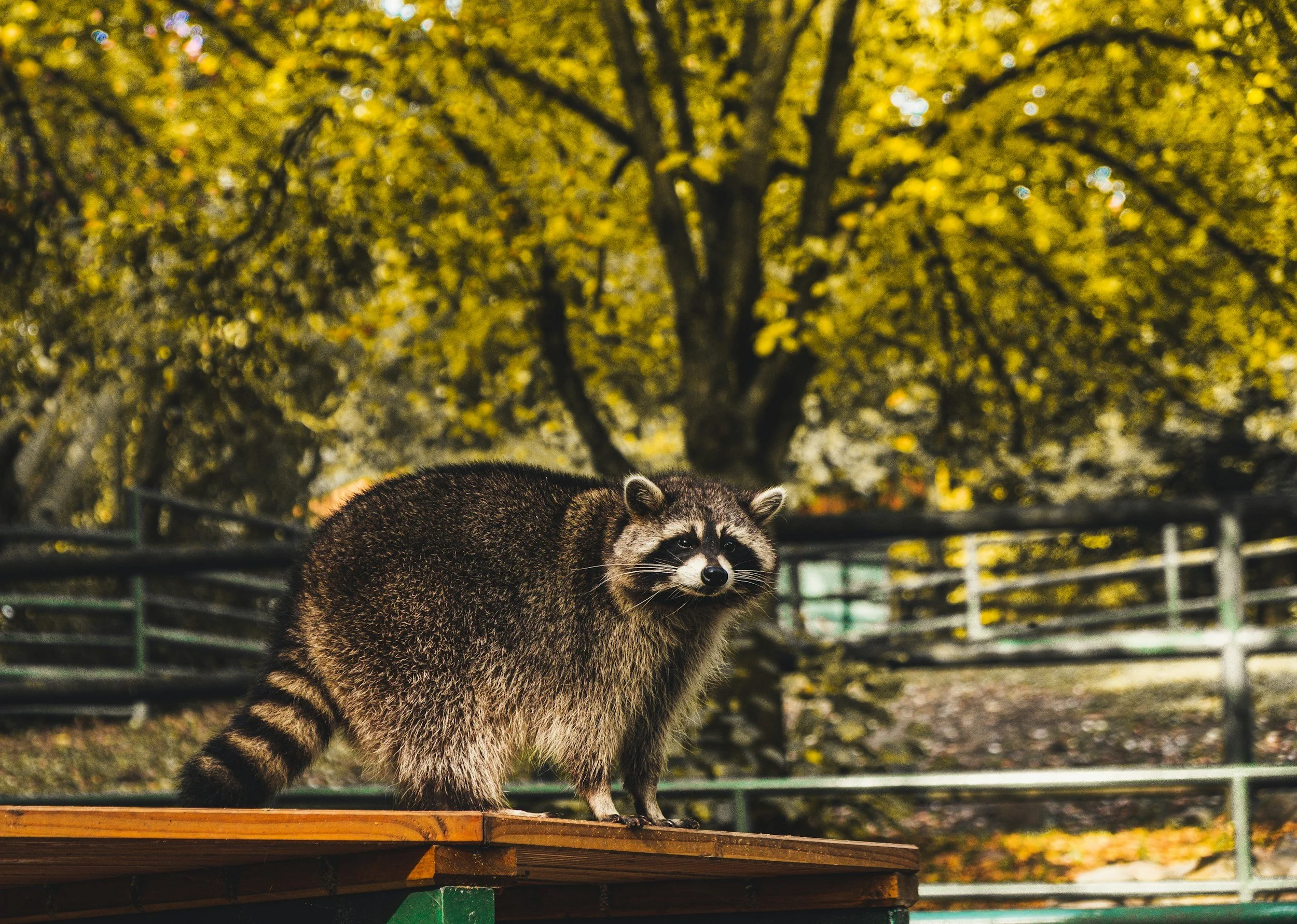
Parvovirus is an infectious disease found in multiple carnivore families including canine (wolves, fox,etc), feline (bobcat, etc.), raccoon, mustelid (mink, otter, ect.), and bear. Parvo can also be found in domestic cats and dogs. Parvo is a species-specific disease, meaning different strands infect different species. For example, Raccoon Parvovirus (RPV) is different from Canine Parvovirus (CPV). However, all parvo viruses appear with similar symptoms.
Parvoviruses are spread through contact with an infected animal’s shed feces or preying on an infected animal. The virus is very hardy and can survive for months in environments where it is protected from sunlight. It is still active if frozen or dried. The feces of a suspected animal can be tested using an ELISA test to see if it is infected.
The disease causes enteritis, which is inflammation of the intestines. Vomiting and diarreah are two main symptoms of parvo, with blood often occuring in the latter. Other symptoms include dehydration, lethargy, weakness, and fever.
Currently, there is no treatment for parvoviruses, but supportive care for dehydration can help until the animal recovers. Parvovirus has the highest mortality rates in juveniles while most adults can resist infection. Domestic dogs and cats can recieve a vaccine against the disease.
Additional Material:
Parvovirus Fact Sheet - Cornell University
Canine Parvo - American Veterinary Medical Association