Snake Fungal Disease (SFD)
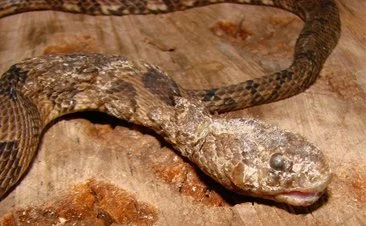
Snake Fungal Disease is an infectious skin disease found only in snakes. The cause of the disease is the fungus Ophidiomyces ophiodiicola, an environmental saprobe. These fungi feed on decaying organic matter and are found in the soil. The first documentation of SFD was in a Timber Rattle Snake in 2006 and since then scientists have found the fungi in museum specimens dating back to 1945.
SFD has been documented in 23 states and one Canadian province and has been found to affect 42 species of snakes. As a skin infection, the most common way to spot SFD is through facial swelling, nodes or bumbs on scales, lesions, or crusting of the skin. Although there has not been many studies on SFD, it is theorized that an infected snake could survive around 90 days after being infected and that the disease has a 40% mortality rate. Antifungals have been tried as treatment with varying degrees of success.
As they try to fend off the infection their body’s energy requirement is heightened which makes it more difficult for them to survive. SFD is a concern for endangered and threatened species and can have a significant impact on snake populations which in turn can impact entire ecosystems. Snakes are predators of small mammals like mice which keeps the diseases they spread in check. Additionally, some studies have shown that higher temperatures increase the chance of infection by O. ophiodiicola. With increasing global temperatures, snake populations could become more vulnerable to SFD.
Since O. ophiodiicola lives in soil, it is recommended that clothing, footwear, and equiptment be thoroughly cleaned and let dry before bringing it to a new site. Additionally, snakes should never be taken from the wild and returned somewhere else. This can introduce the disease to an area that hasn’t been affected yet.
Additional Material:
SFD Fact Sheet with Photos - NJ Fish and Wildlife
SFD Fact Sheet - Cornell College of Vet Medicine